

Why I Love L.L. Bean
Practical, timeless, and built to last

I’ve been obsessed with L.L. Bean for quite a while now. I can’t even pinpoint the first time I heard of the brand, but I do remember noticing it more when I started vintage shopping around the UK. You’d come across the odd flannel button down, the occasional overhead anorak, and then, years later, the whole resurgence of the Boat and Tote. Suddenly everyone cool seemed to have one, yet you could never actually find one over here. In the UK they felt almost mythical.
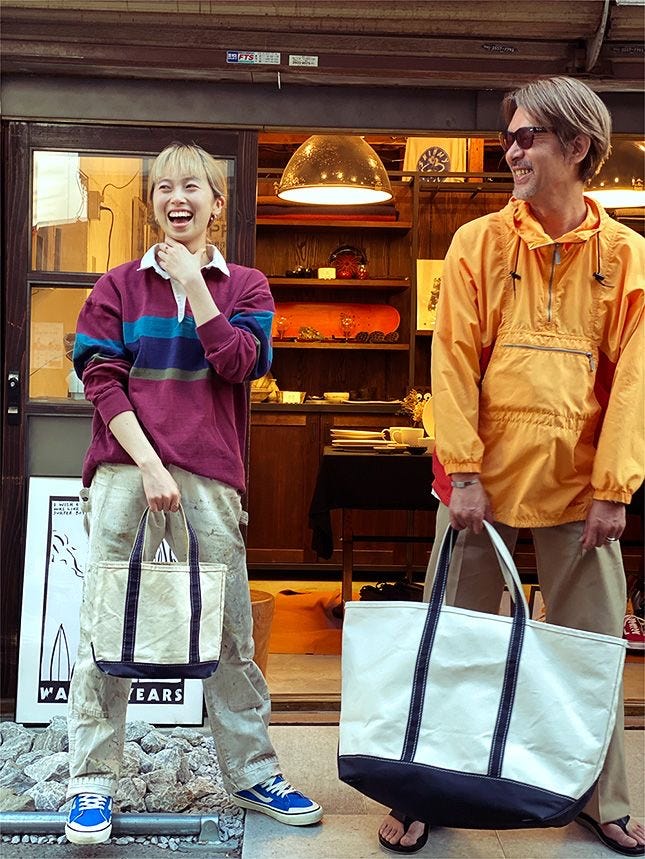
It was always Japan or America where you’d see people wearing them properly. For me, they became a bit of a holy grail item.
If you’ve read my blog for a while, you might remember the piece I wrote about autumn and Ivy style. L.L. Bean has always sat right at the centre of that for me. It’s the epitome of East Coast American style, but in a way that feels practical rather than polished.

There are other brands that feel truly American, but L.L. Bean is high on that list. Whenever I saw anything Bean-related on Vinted or tucked away in a charity shop, I’d always find myself thinking about how it made its way to the UK in the first place.
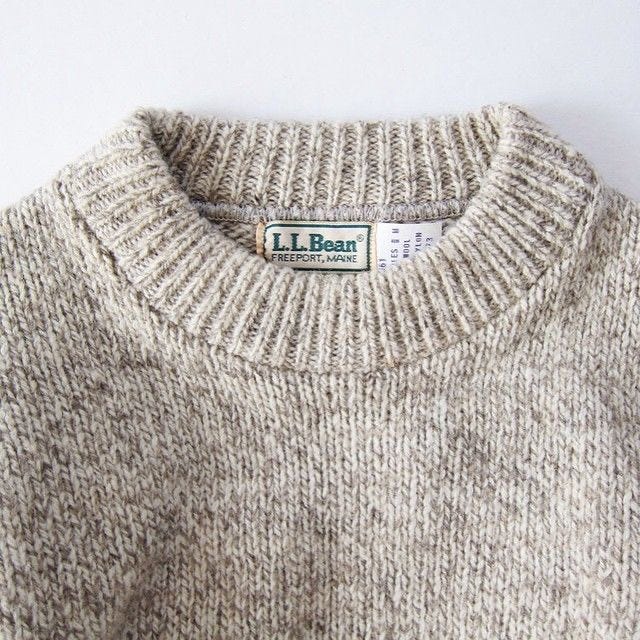
Maybe there were the odd shops that stocked it decades ago, but for the most part it’s still fairly uncommon here. Not impossibly rare, but rare enough to grab the attention of anyone who obsesses over American menswear.
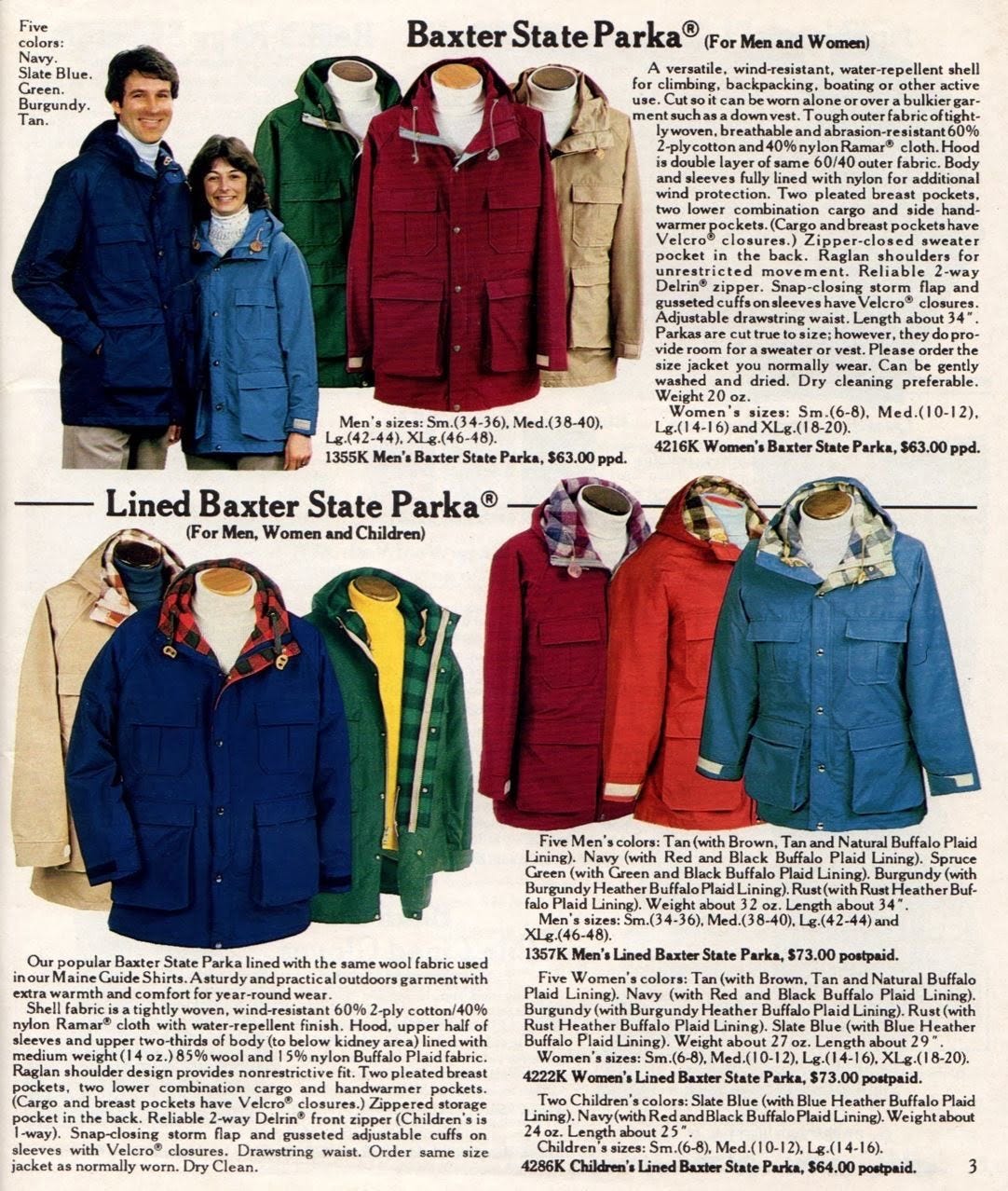
At first glance, I suppose L.L. Bean can be written off like Sears. Over here, to anyone who isn’t deep into that side of menswear, it can look like catalogue clothing. That might come from those old mid-century adverts and catalogues that have a very particular, slightly stiff charm. But Bean has always been more than that. A lot of it reminds me of what Drake’s is doing now. More than the clothes, it’s a brand that sells a lifestyle. Not a city lifestyle or a fashion lifestyle, but a very simple one built around the great American outdoors.
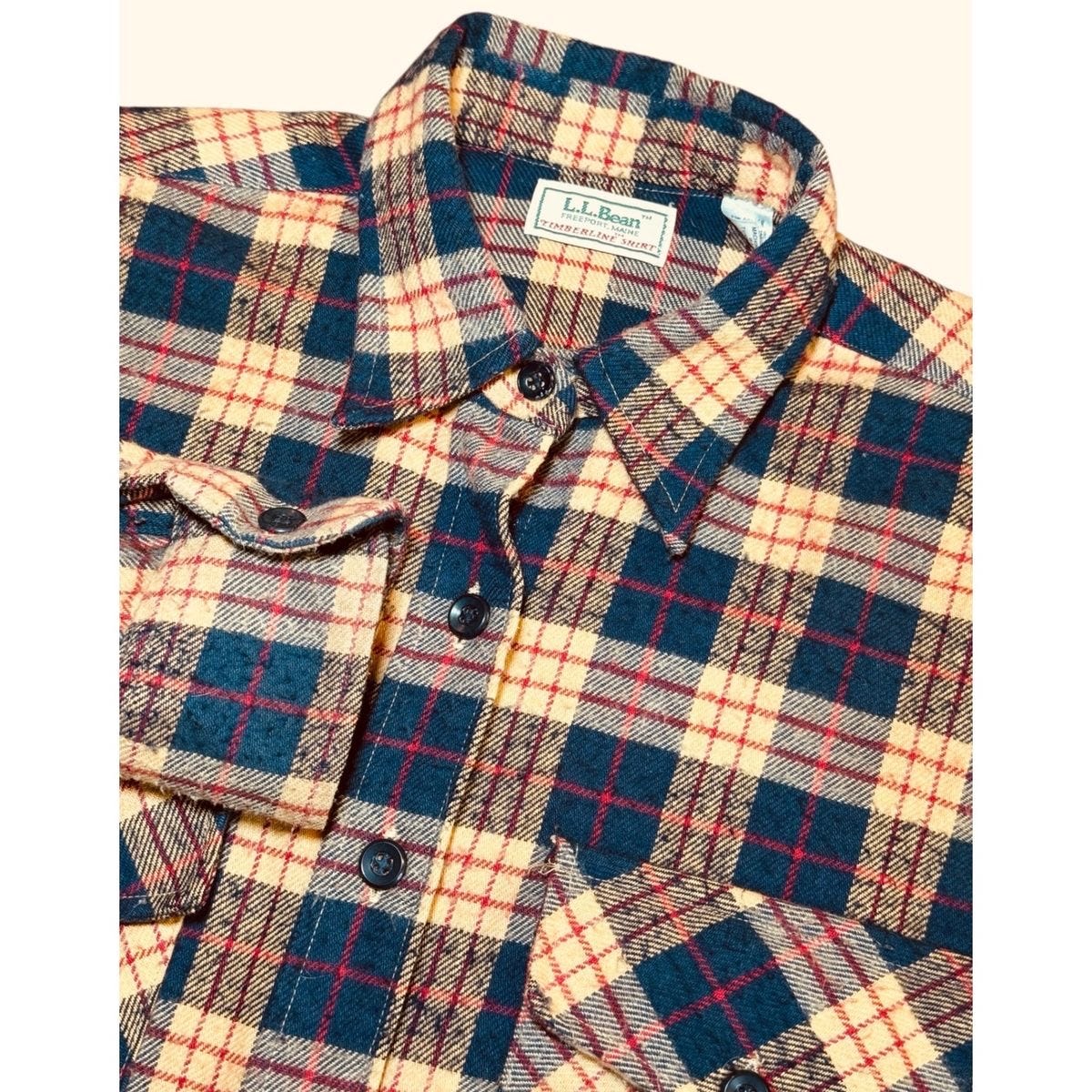
I’d love to know what readers in the US think, because over here in the UK something as simple as a barn jacket is surprisingly hard to find. I imagine they’re everywhere in the States, but tracking down a good one here takes patience.

I genuinely envy anyone who can just pop over to Wooden Sleepers and see Brian without it becoming a whole mission (read my interview with him here). It’s taken me ages to find a barn jacket I like.
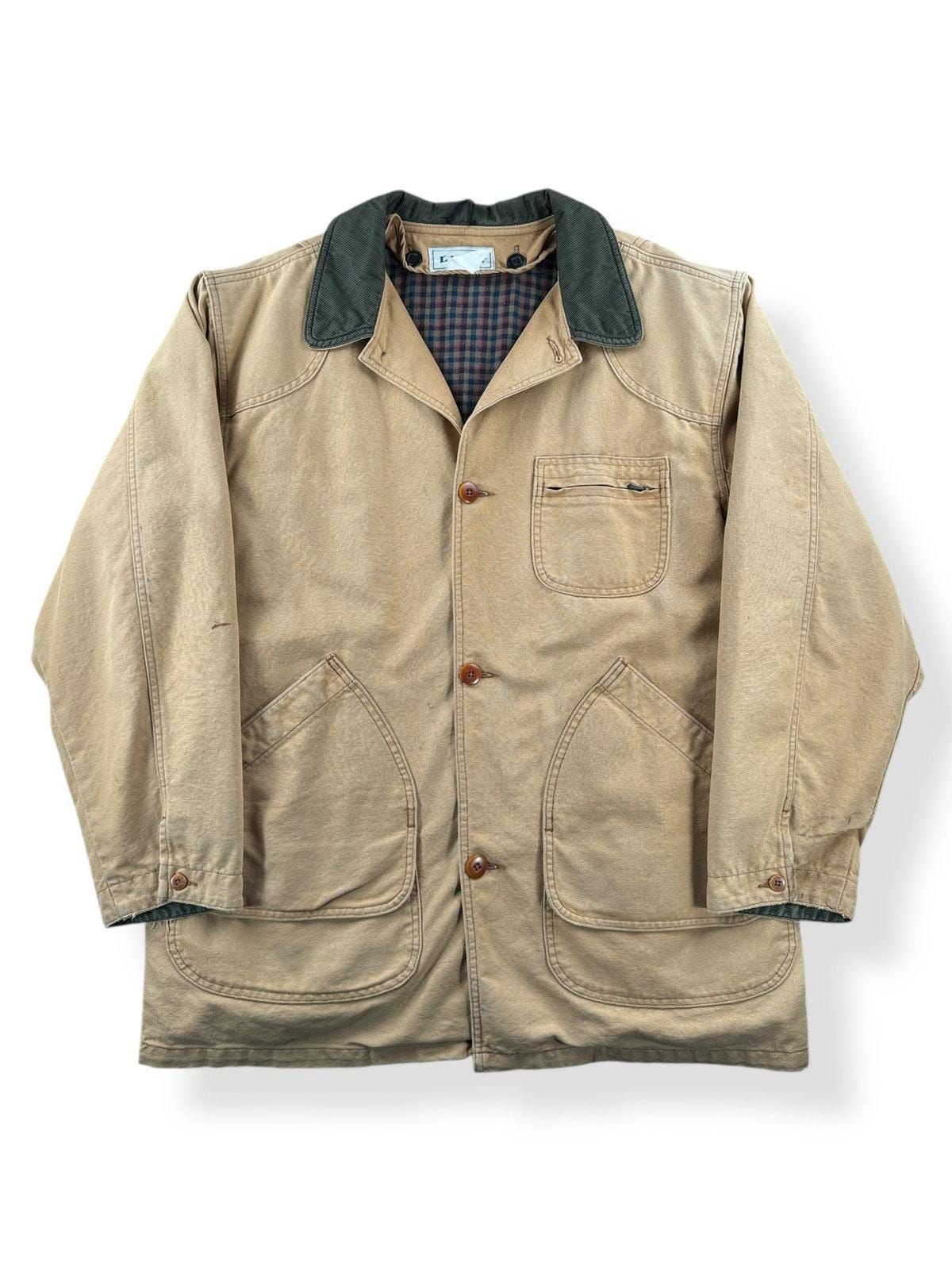
I’ve checked more shops than I can even remember, but in the end Vinted came through for me. I would have preferred to buy it in person so I could try it on, look around the rest of the shop, speak to whoever was selling it, all of that. But this time Vinted won the race and once I saw it I had to pull the trigger.

It’s also very easy to accidentally end up with a women’s one when you’re hunting for these. People often don’t know what they’re selling, so unless you already know the details to look out for, you can get caught out. Mine cost me £40, which I think is extremely reasonable considering the prices I’ve seen some of them go for.
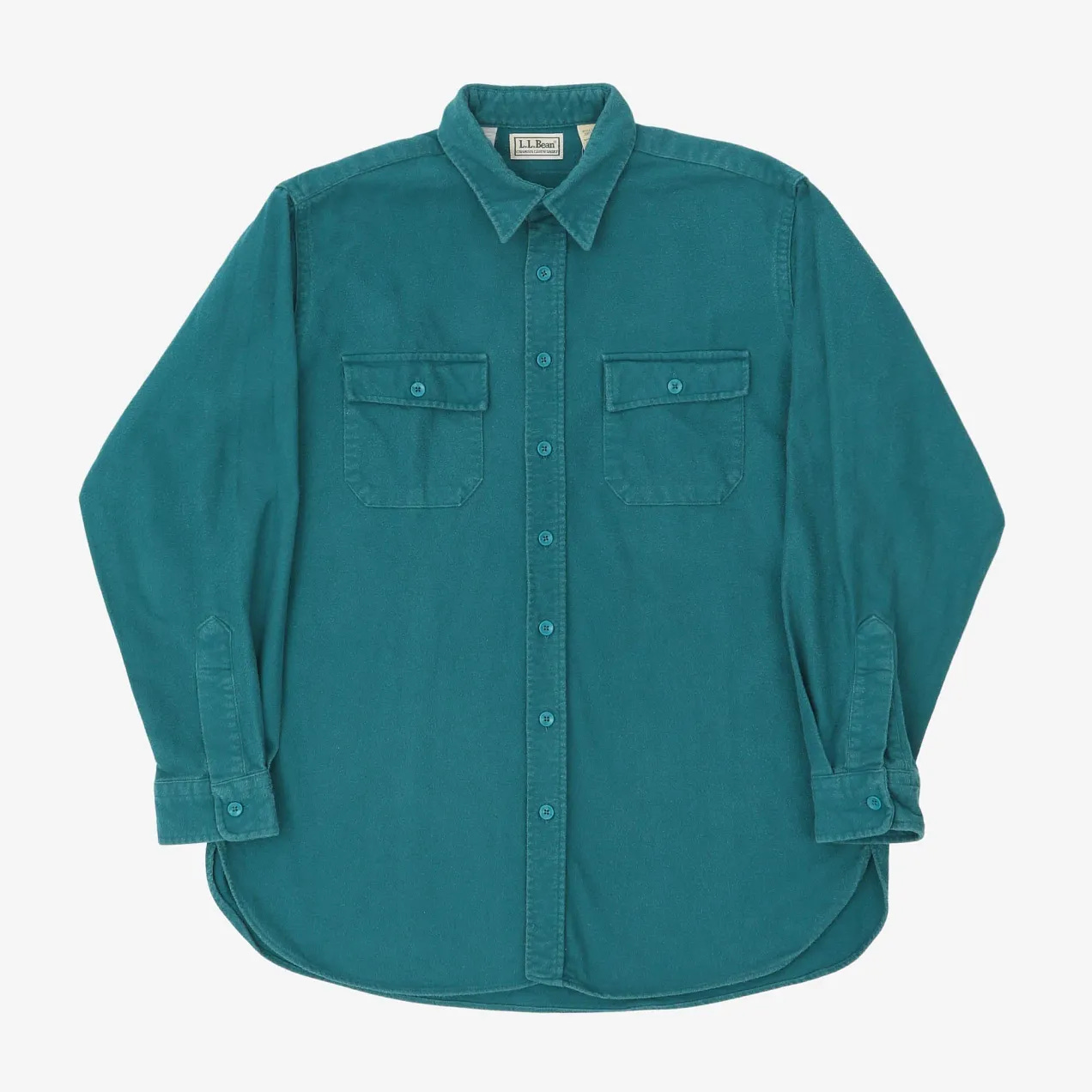
Another recent find was from Manchester-based Vintage Folk. I finally picked up one of their chamois cloth shirts and I absolutely love it. The colour is perfect. It has that very American pop to it. Not quite turquoise, not quite green, somewhere in between. It’s a stunning piece. You can wear it open as a lightweight jacket or buttoned as a shirt with a layer underneath. It sits somewhere between a flannel and a soft piece of knitwear. Chamois cloth is ideal for the autumn.
If you go back to the origins of the Boat and Tote, it wasn’t designed as a stylish accessory at all. It was literally made to carry blocks of ice.
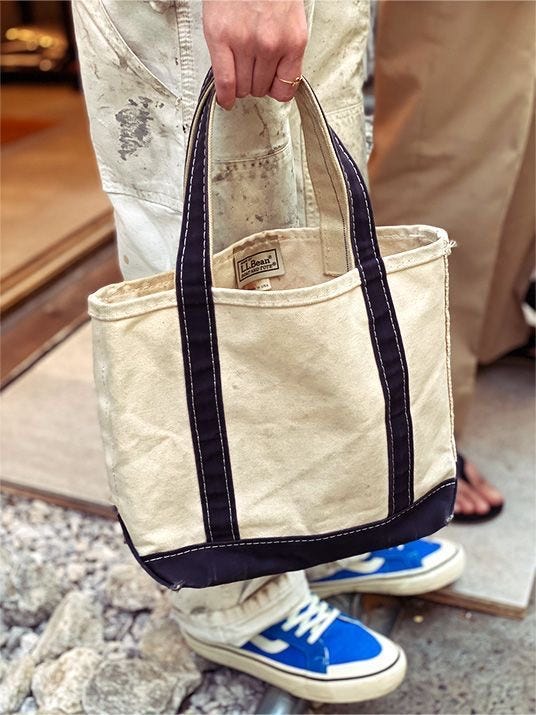
That’s why it’s built the way it is. The heaviness of the canvas wasn’t an aesthetic choice. It needed to be tough enough to hold solid ice without tearing. The boxy shape made it easy to stack and lift. The reinforced bottom stopped the weight from punching through the fabric. Even the short handles made sense because you’d be hauling something genuinely heavy from the car to the icebox. Every detail comes from that simple idea of solving a practical problem first.
And that’s what I love about L.L. Bean. The design language isn’t romantic until much later. At the beginning it’s all straightforward logic. Something needs to carry ice. Fine. Make it strong. Make it simple. Make it last. And somehow, decades later, that same tote becomes the thing everyone’s carrying to cafés, campuses, and Japanese menswear shops. But at its core it’s still an ice carrier, which explains why it feels so solid and dependable. The DNA never changed.
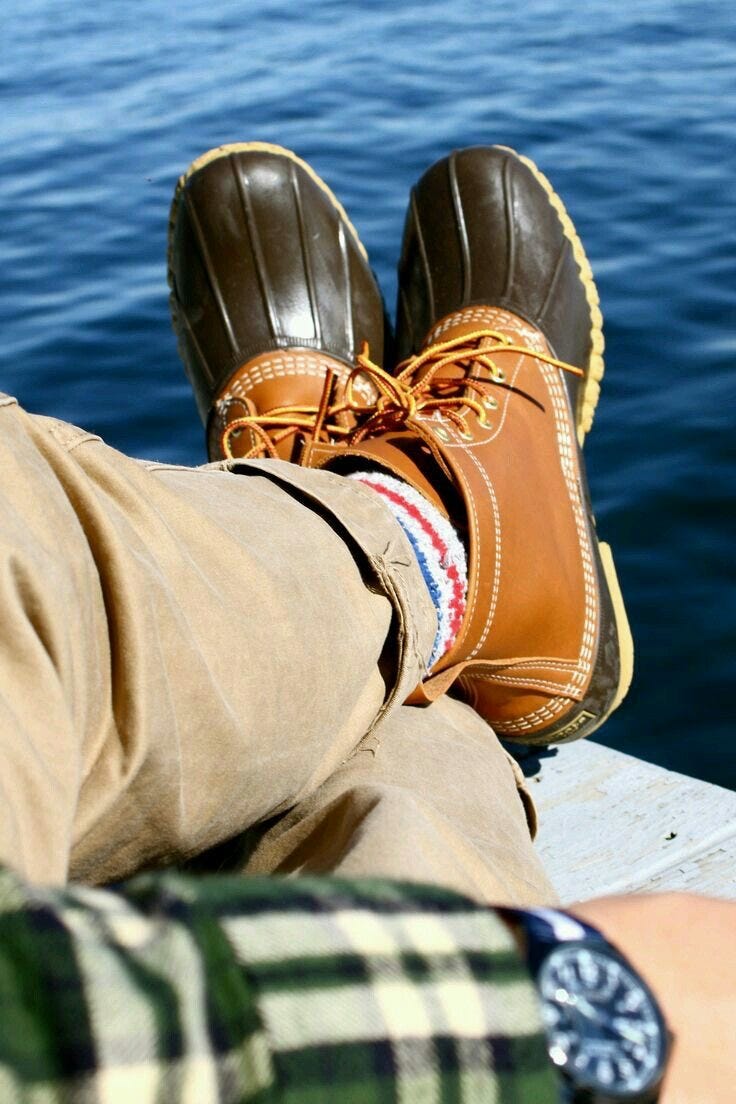
Another iconic piece from the L.L. Bean range is the Bean Boot. It’s one of those items you either love or hate, but either way you can’t deny its status. You only need to look at how many brands have created their own versions to see the impact. Leon Leonwood Bean came up with the first Maine Hunting Shoe after a trip where he got his feet soaked. So he did what he always did. He fixed the problem himself. The idea was straightforward. Take a rubber bottom, waterproof like a fisherman’s boot, and stitch it to a leather upper that feels more like a normal shoe. Comfort meets practicality. No one else was combining materials in that way at the time, so it really was a small revolution.
Then came the infamous first batch failure. Bean sold around one hundred pairs by mail and something like ninety were returned because the rubber and leather separated. Instead of giving up or cutting corners, he refunded everyone and rebuilt the whole thing properly. Imagine that happening today. It just wouldn’t. That decision shaped the brand’s entire identity.
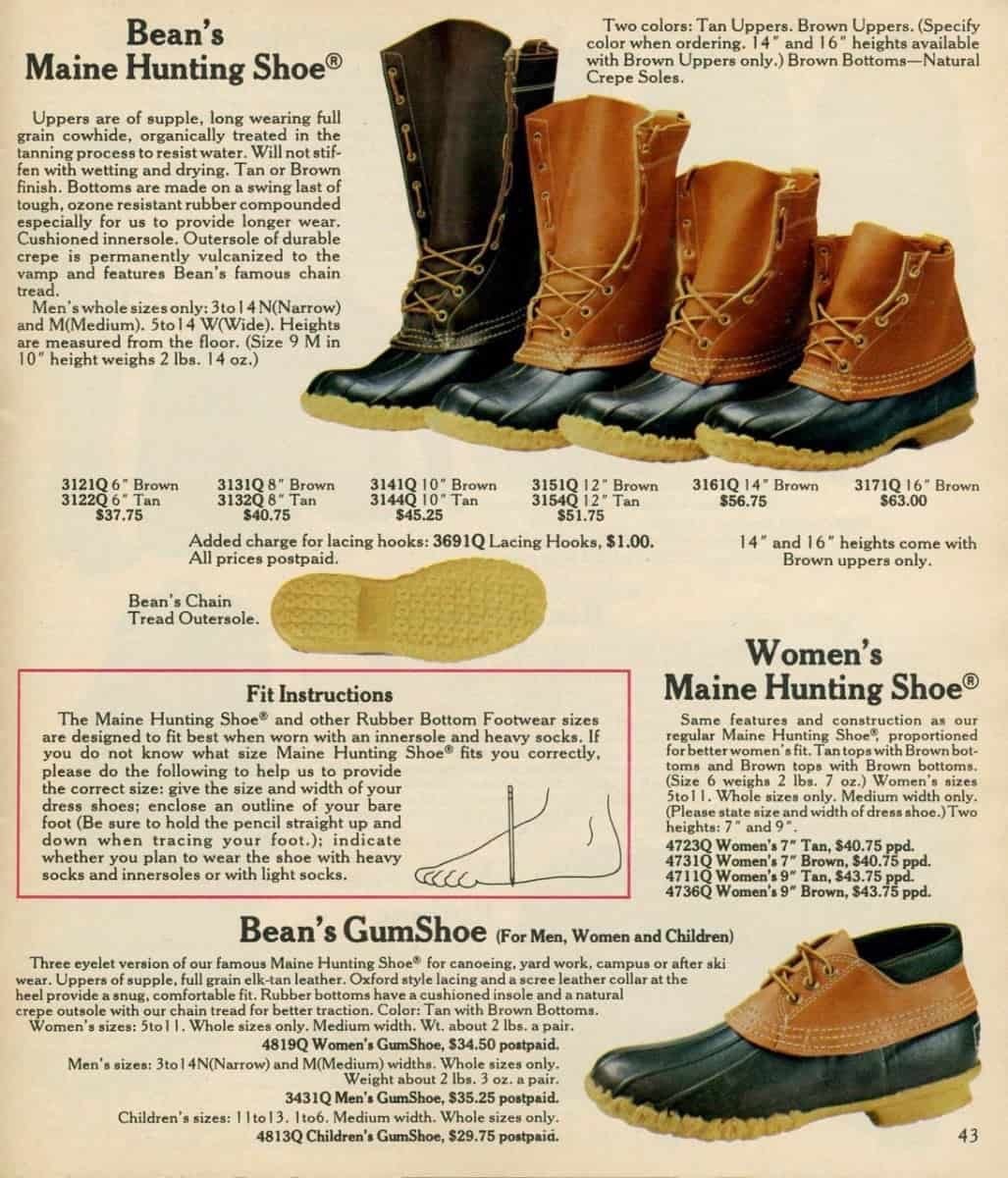
Once the construction was right, the boots became essential for hunters and outdoorsmen. They weren’t fashion pieces. They were gear. And gear is a word that runs through everything L.L. Bean has ever made. The boots eventually found their way onto college campuses too. They were practical for cold, wet New England winters, and that practicality is one of the reasons they slipped into the Ivy-adjacent wardrobe. Fit for purpose, understated, almost stubbornly simple.
The design has barely changed since the original hunting shoe. There have been tweaks to insulation, sole options, and height, but the core idea is completely intact. And that’s probably why people still love them.
So whatever this blog is, I suppose it’s a love letter. A love letter to L.L. Bean. I’ll keep digging, keep hunting, and keep chasing down those vintage pieces whenever they appear. I’ve even got plans to go to New York next year, which means Brian from Wooden Sleepers is definitely getting a visit from me. I see him as one of the real flag bearers for L.L. Bean, someone who understands exactly why the brand matters. If you haven’t already, you can read the interview I did with him a few weeks back.
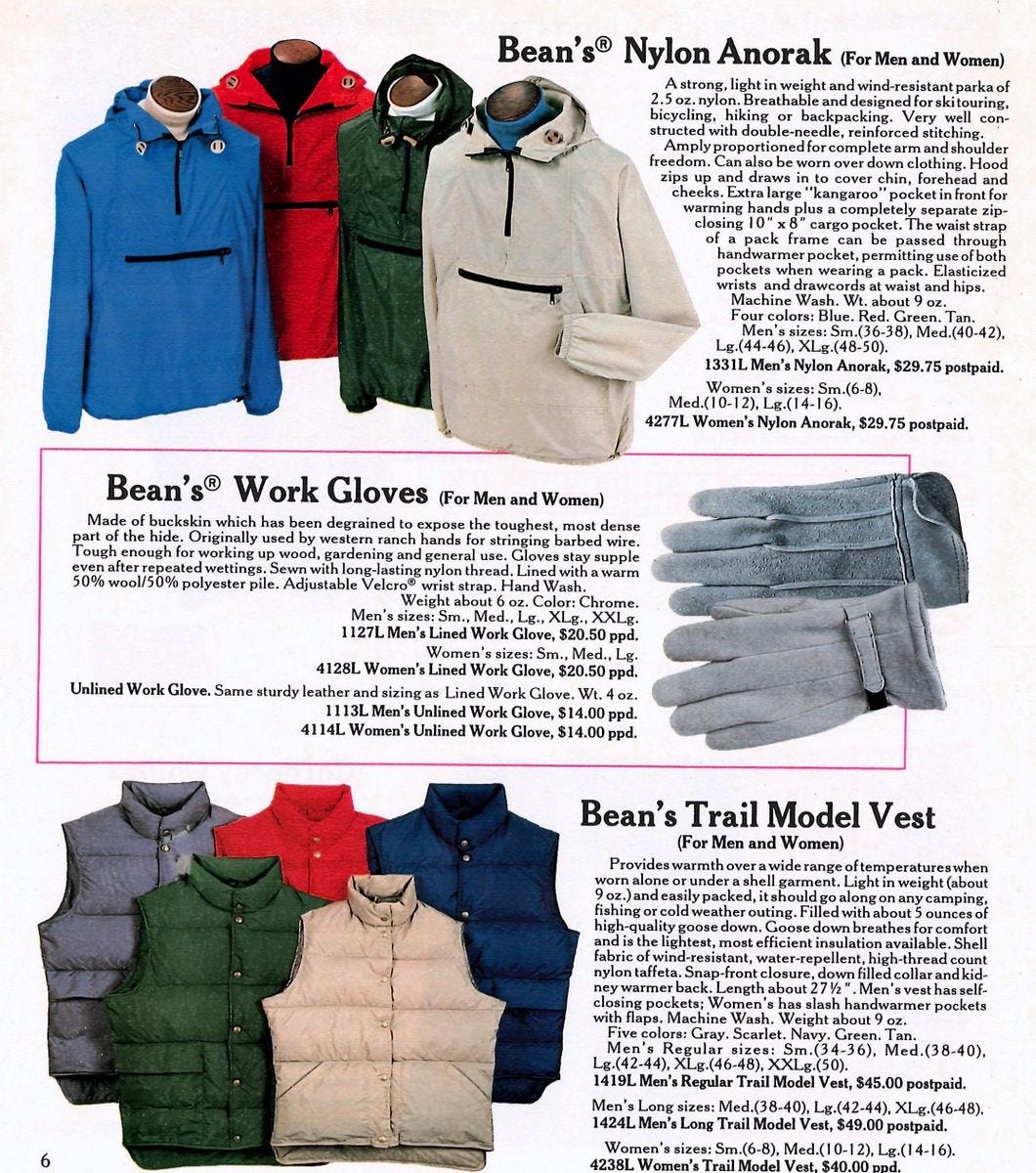
L.L. Bean will always grab my attention. It isn’t just stylish clothing. It’s well made, but it’s well made because the function comes before everything else. It isn’t just a coat that keeps you warm. It’s a coat that’s been made better than most because of the work that has gone into it and the thought that sits behind it. These pieces don’t come from trend forecasts or design drawings alone. They come from real experience, real problems, and real solutions. That’s what keeps me coming back to L.L. Bean. That’s why I’ll always be looking for the next great piece.
Well, you’re definitely right about volume in the states. Here you can get this stuff easily at a vintage shop. Hell, if you’re in the NE, you can get Bean boots on Facebook marketplace pretty easily. Wish there was a way to send more to the UK and spread the wealth. (Outside of the boots, I’m not sure LL Bean has kept up in the hearts of American vintage lovers.)
Ironically, I got the email for this post along with an email right below it in my inbox from LL Bean reminding me about their current sale.
Being from Vermont, LL Bean has always been in my life! Great post!