

What is Timeless Style?
Why true style evolves instead of staying stuck in the past

Most things people call timeless were once specific trends. If we are talking within the world of Ivy, those that fall into this category for many of us are loafers, OCBDs, sack suits and certain cuts of jeans. They all belonged to specific eras, subcultures or classes before becoming classic.
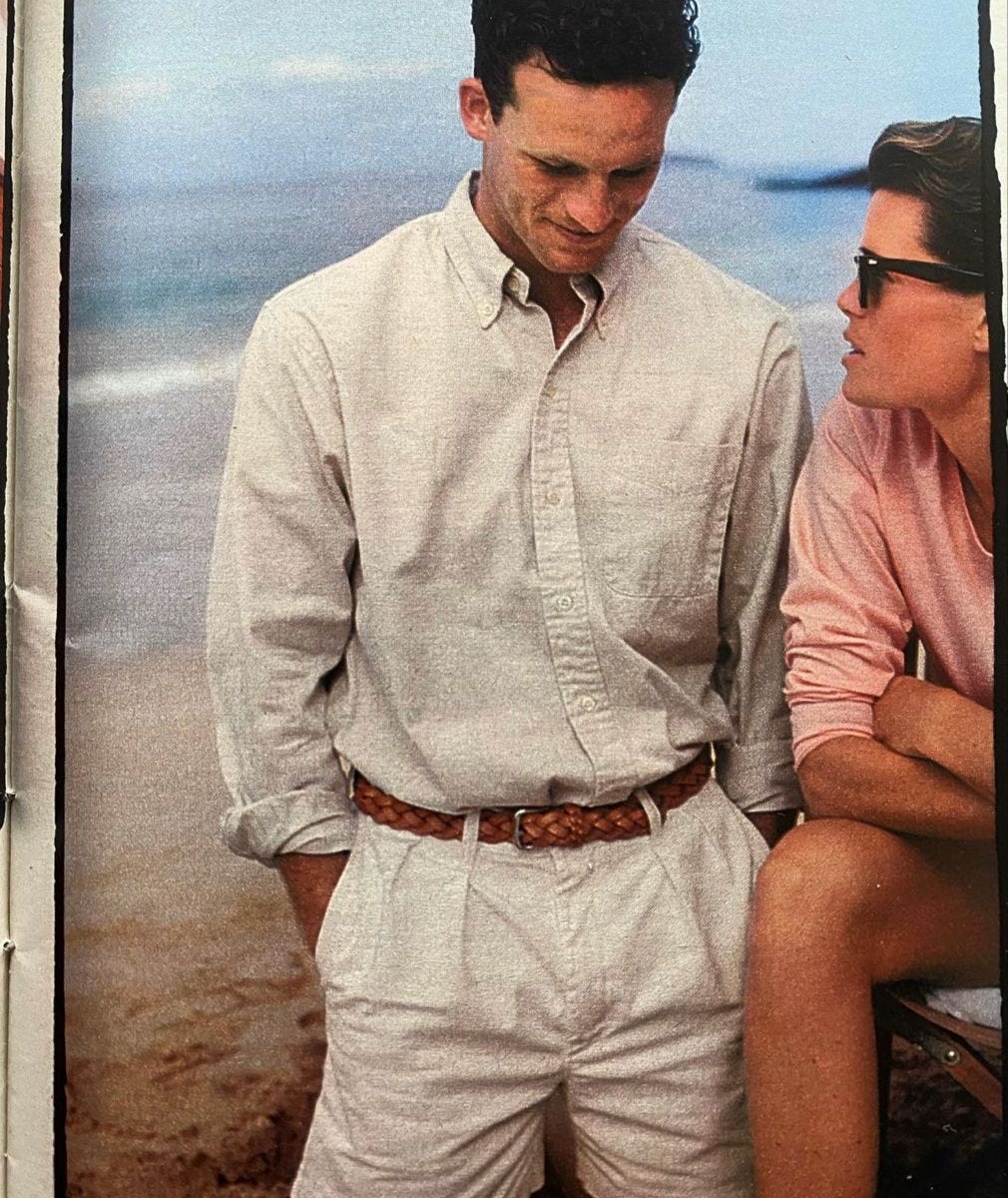
Timeless usually just means culturally protected. Some garments survive because institutions, films, music, universities, military histories or brands have kept them alive.
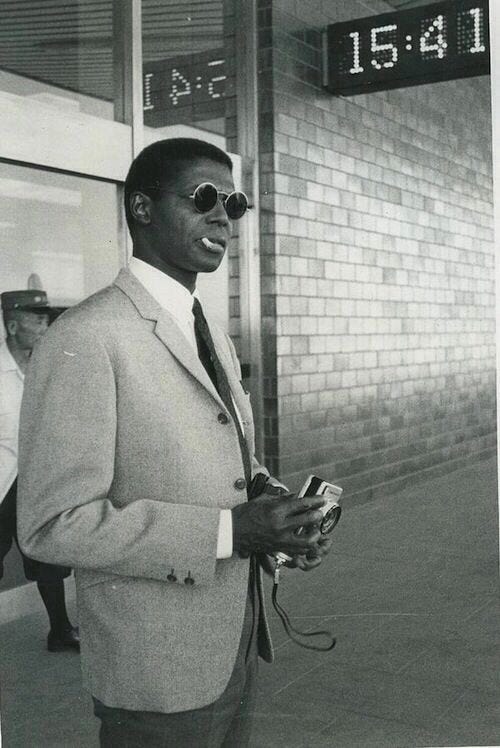
People confuse familiarity with timelessness. If something has been around for your whole life, it feels permanent, but a lot of supposedly timeless clothing nearly disappeared at certain points.
Personal consistency matters more than timelessness. A man wearing the same style for 30 years looks timeless because he is consistent, not because the clothes exist outside trends.
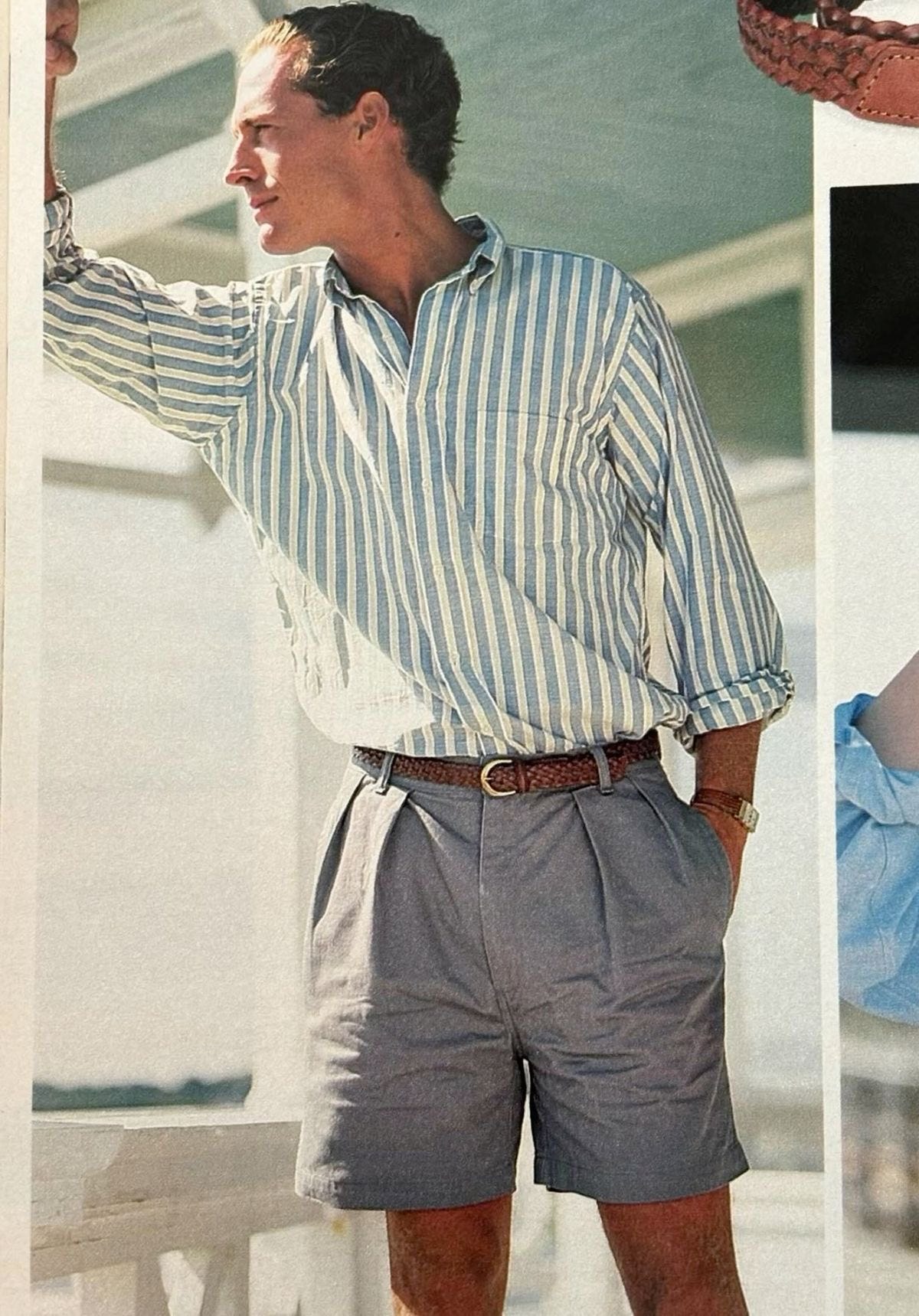
Truly timeless clothes are usually simple enough to absorb change. Most navy blazers from the 1960s and ones from now are not identical. The details have shifted slightly every decade, but the core idea survives.
The internet has warped the idea. Now people chase timeless style at 22 because they want immunity from trends immediately, but most genuinely timeless dressers arrive there gradually through experience.
So in this blog, I am not trying to answer it on behalf of everyone. I am trying to answer what I think timeless style actually is, and whether anything can truly be timeless.
So let’s talk about the difference between classic and timeless. Do the words mean two different things? I think they do, although sometimes they overlap.
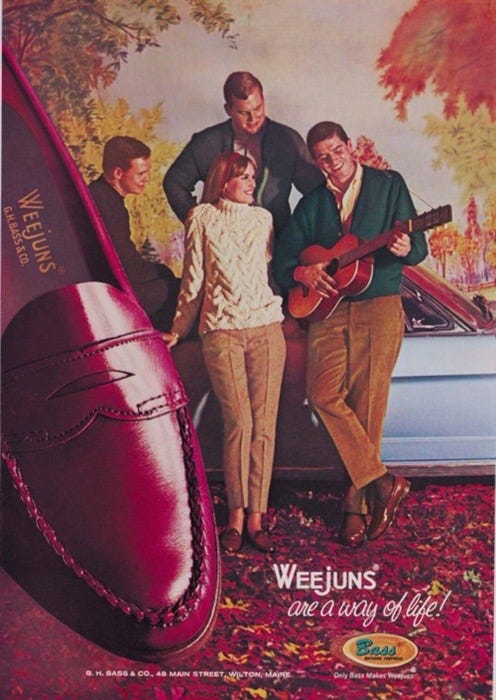
I think a garment can be timeless, but what you wear it with can make it look classic rather than timeless.
Take the penny loafer, for example. I would argue it can be a timeless item depending on how you wear it. The idea of Ivy style can go in two directions.
You can dress entirely in period accurate garments, wearing pieces specific to that era, vintage items that were genuinely made in the 1950s, and pair them with loafers. At that point, the overall look becomes classic. It belongs to that time.
But you could also wear the same loafers with brands that reinterpret those traditional garments in a more contemporary way. They still nod to the past, but they are not trying to completely recreate it. That is when the loafer becomes timeless to me. It proves it can move beyond the era it came from and still feel natural today.
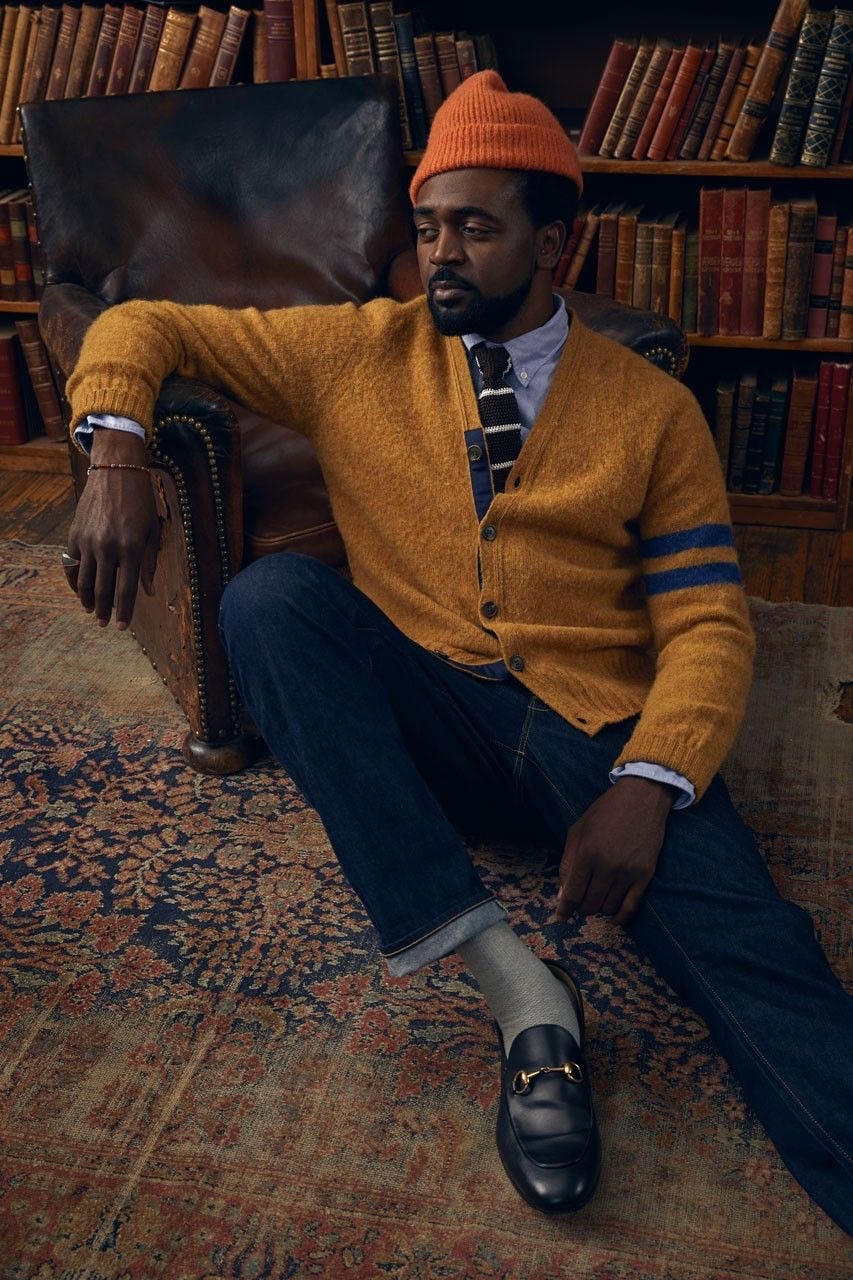
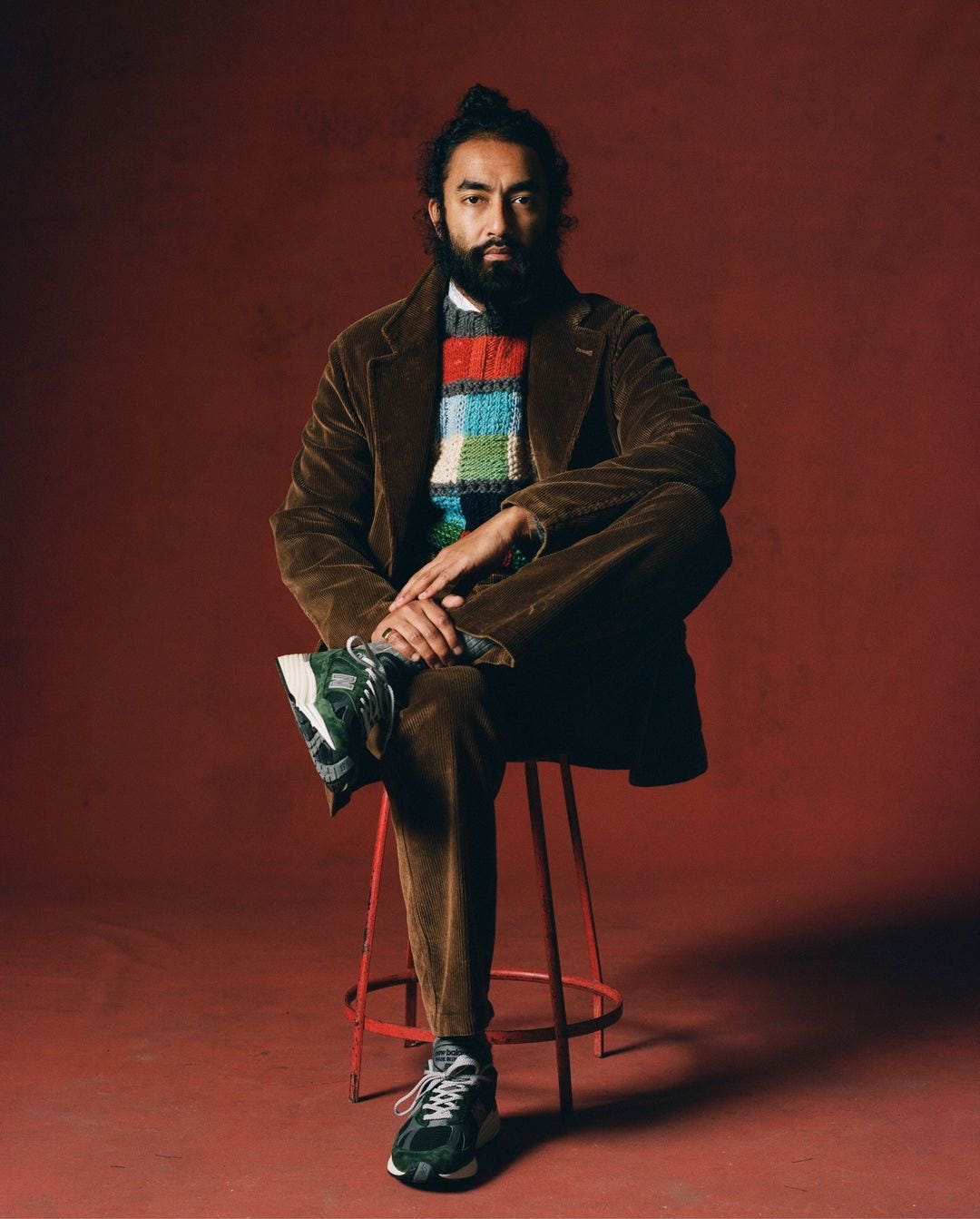
That is probably the difference for me. A classic look belongs to a specific time. A timeless garment survives outside of it.
So what is the difference between dressing timelessly and dressing nostalgically? I think it comes back to that same idea. Dressing nostalgically can sometimes lean into looking like you are playing dress up, and I think a lot of us start there. We become fascinated with a particular look.
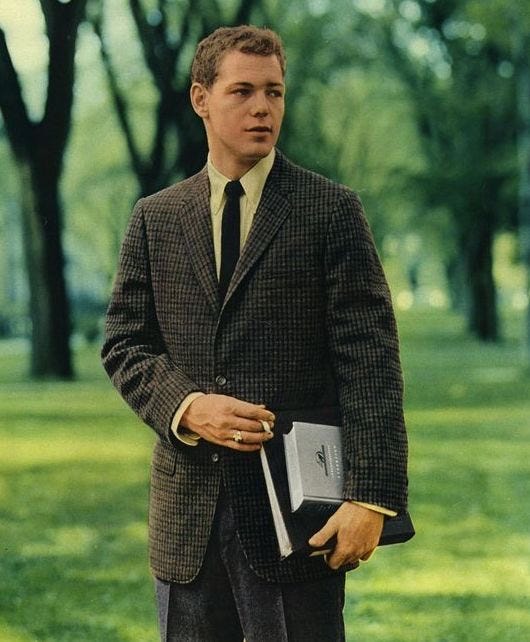
For the sake of this blog, let’s take Ivy, no pun intended.
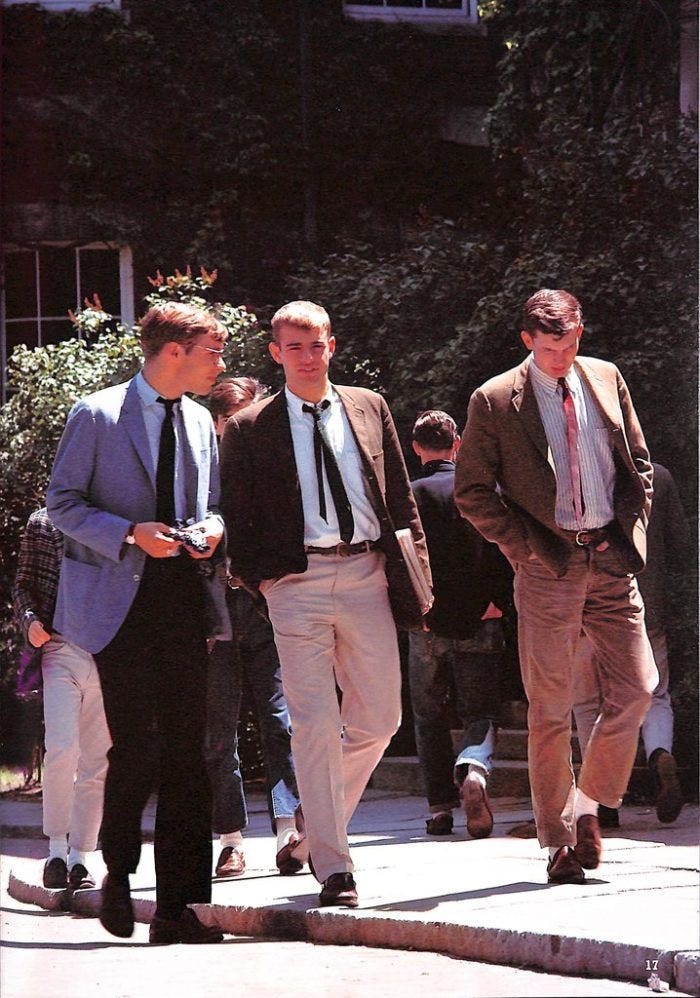
You look back at those photographs, maybe from Take Ivy, and naturally you want to recreate the look. But there is a difference between copying something exactly and being inspired by it.
There are plenty of brands inspired by Take Ivy, but they are not directly copying it. They are taking the core ideas and reworking them slightly for today.
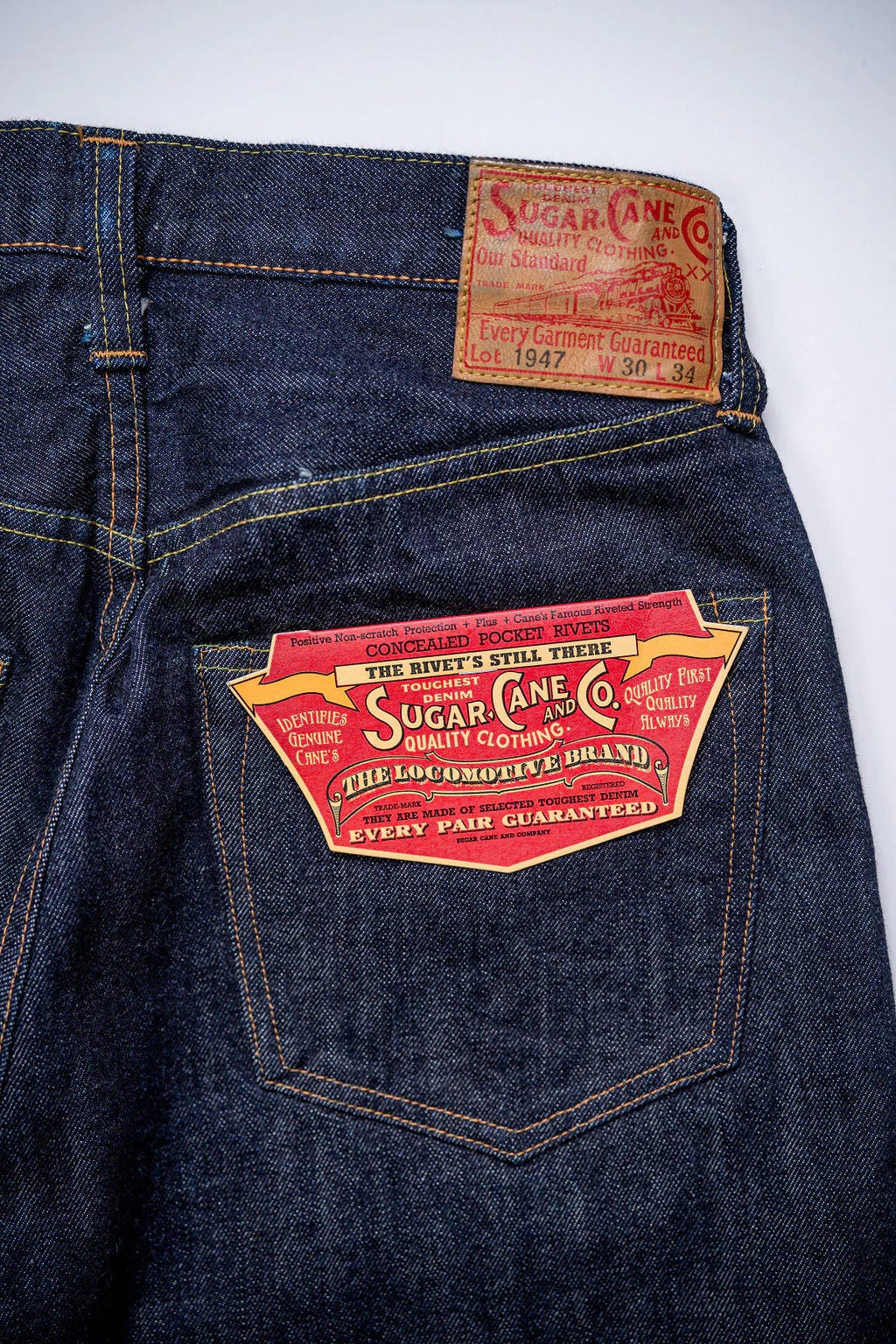
Japanese denim is a good example of this. Sugar Cane is a brand that shows this well because what they are doing is not simply reproducing old Levi’s for the sake of nostalgia. They are inspired by the history of the 501 across different eras.
Take the 1947 cut. Yes, it is a reproduction of a specific period of Levi’s, but they have also used that same silhouette with entirely different fabrics and ideas. Look at the Okinawa denim from Sugar Cane. It still uses the 1947 cut, but the fabric changes the character of the jeans completely.
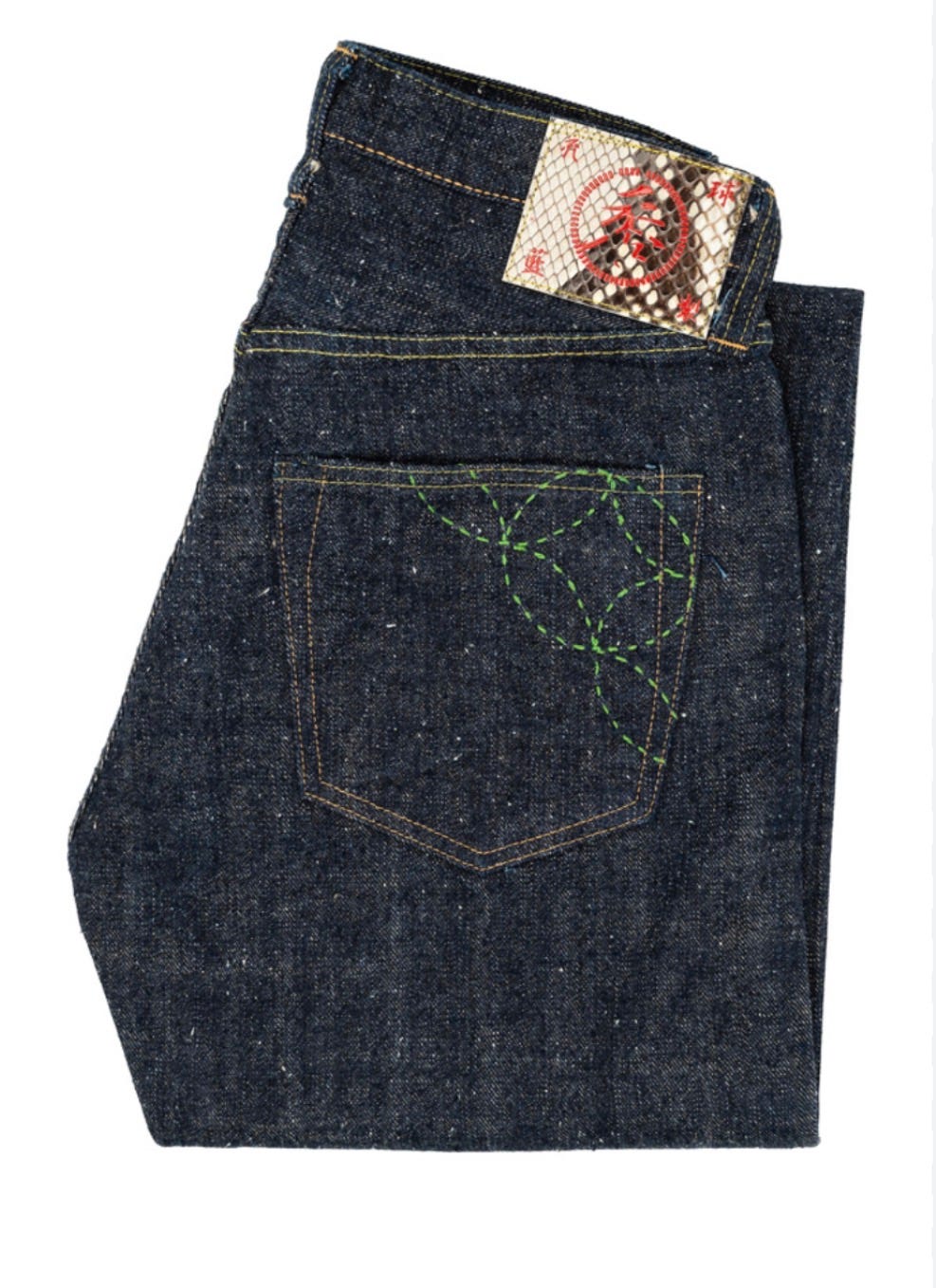
That is the difference to me. Nostalgia tries to freeze a moment in time. Timelessness allows something from the past to continue evolving without losing what made it good in the first place.
The proof is really in the pudding with timelessness for me, and a lot of it comes down to how the garments are actually worn. Worn in clothes feel far more timeless than pristine ones.
If you have worn something for years, loved it, aged it properly and battered it to hell, then not only does it prove the garment was built to last, it proves that it has lasted. I do not think it gets much more timeless than that.
A well worn pair of loafers, faded denim or an old Oxford cloth button down usually looks more convincing than a completely untouched version of the same thing. The wear becomes personal. It stops feeling like a costume or a reference and starts feeling like part of someone’s life.
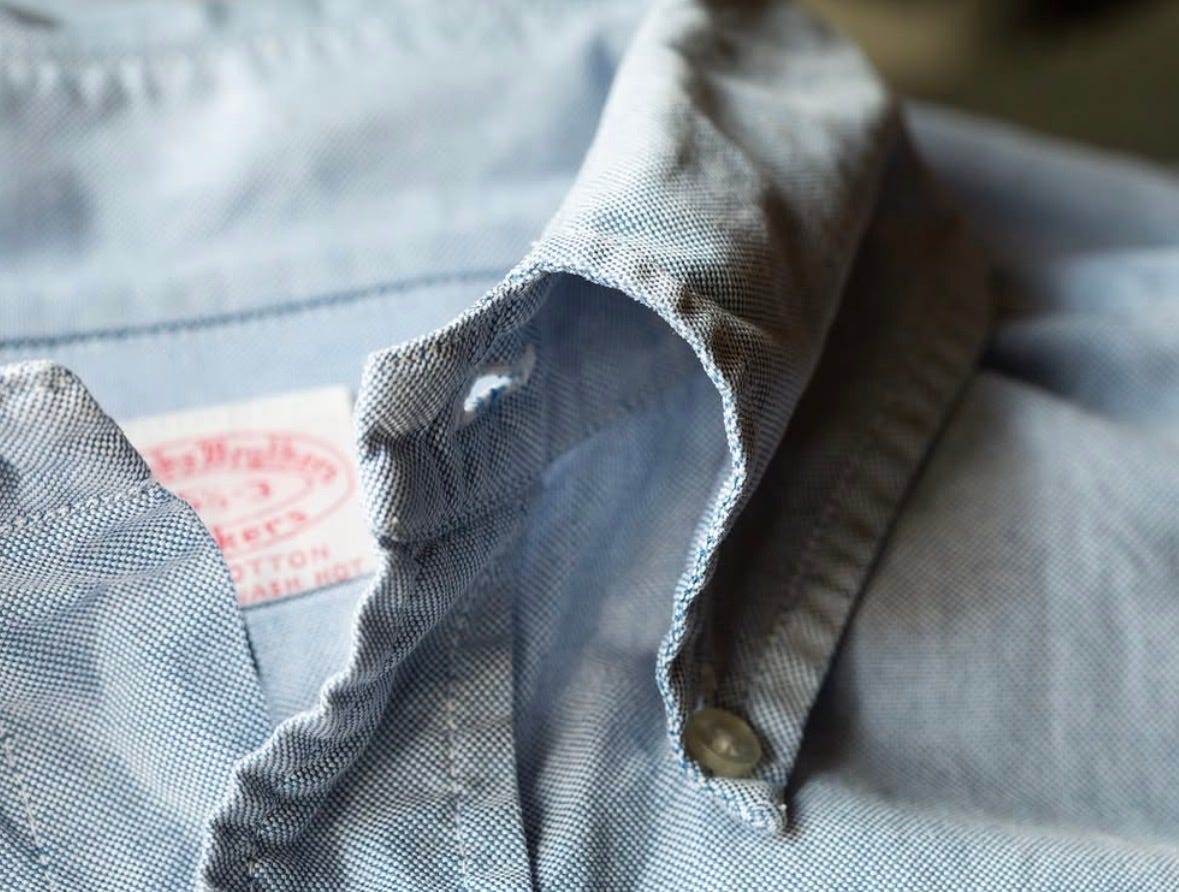
That is probably another reason why truly timeless clothing is usually quite simple. It allows the person wearing it to leave their mark on it over time.
So timelessness, is it a real thing? I think it depends.
Maybe it is in the eye of the beholder, and honestly, does any of it really matter? Probably not. But for the sake of this conversation, I think timelessness comes down to versatility. It is about how you wear something and what you wear it with.
To me, timelessness is proof that something works. Not just because it is old and people are still wearing it, or because a company has been making the same T-shirt or pair of jeans for the last 50 years, but because it continues to fit into people’s lives in a natural way. It adapts. It evolves. And even as trends change, it still feels relevant.
The difference to me is that nostalgia tries to freeze a moment in time. Timelessness allows something from the past to continue evolving without losing what made it good in the first place.
Great read that Tom, I’ve been thinking about it as I read and I’ve been wearing this sort of style now for at least 30 years …. I feel old now, thank you.lol.
This is one of my faves. This has been a real conversation in my mind for years, but I could never really write down the exploration from my thoughts as articulately as you did here. I appreciate the way you took the elements apart — and there’s no right answer, but this was def worth unpacking, especially now. 👏🏾